Learning Management System (LMS): Where Smarter Learning Meets Seamless Education
Digital learning has transformed the way businesses, schools, universities, and training organizations share knowledge. Traditional classroom-based training is no longer the only option. Modern learners expect flexible, interactive, and accessible education that fits their schedules and learning styles. This is where a Learning Management System (LMS) plays a vital role.
An LMS helps organizations deliver, manage, monitor, and improve learning through a centralized digital platform. Whether you're training employees, educating students, or selling online courses, a well-designed LMS makes learning more engaging, organized, and measurable.
What Is a Learning Management System (LMS)?
A Learning Management System is a software platform used to create, deliver, manage, and track educational or training programs. Instead of relying on physical classrooms or scattered resources, all learning materials are stored in one secure online system.
Learners can access courses, videos, quizzes, assignments, certificates, and progress reports from any device with an internet connection. Administrators and instructors can manage users, monitor performance, and update content with ease.
Why Businesses and Educational Institutions Need an LMS
Learning is essential for growth, but managing training manually can be time-consuming and inconsistent. An LMS simplifies the entire learning process while improving accessibility and efficiency.
Organizations use LMS platforms to:
-
Train employees
-
Onboard new staff
-
Deliver compliance training
-
Educate customers and partners
-
Conduct certification programs
-
Offer online courses
-
Track learner progress
Because everything is managed digitally, organizations save time, reduce costs, and maintain consistent learning standards.
Key Features of a Modern LMS
A successful Learning Management System should include features that improve both the learner and administrator experience.
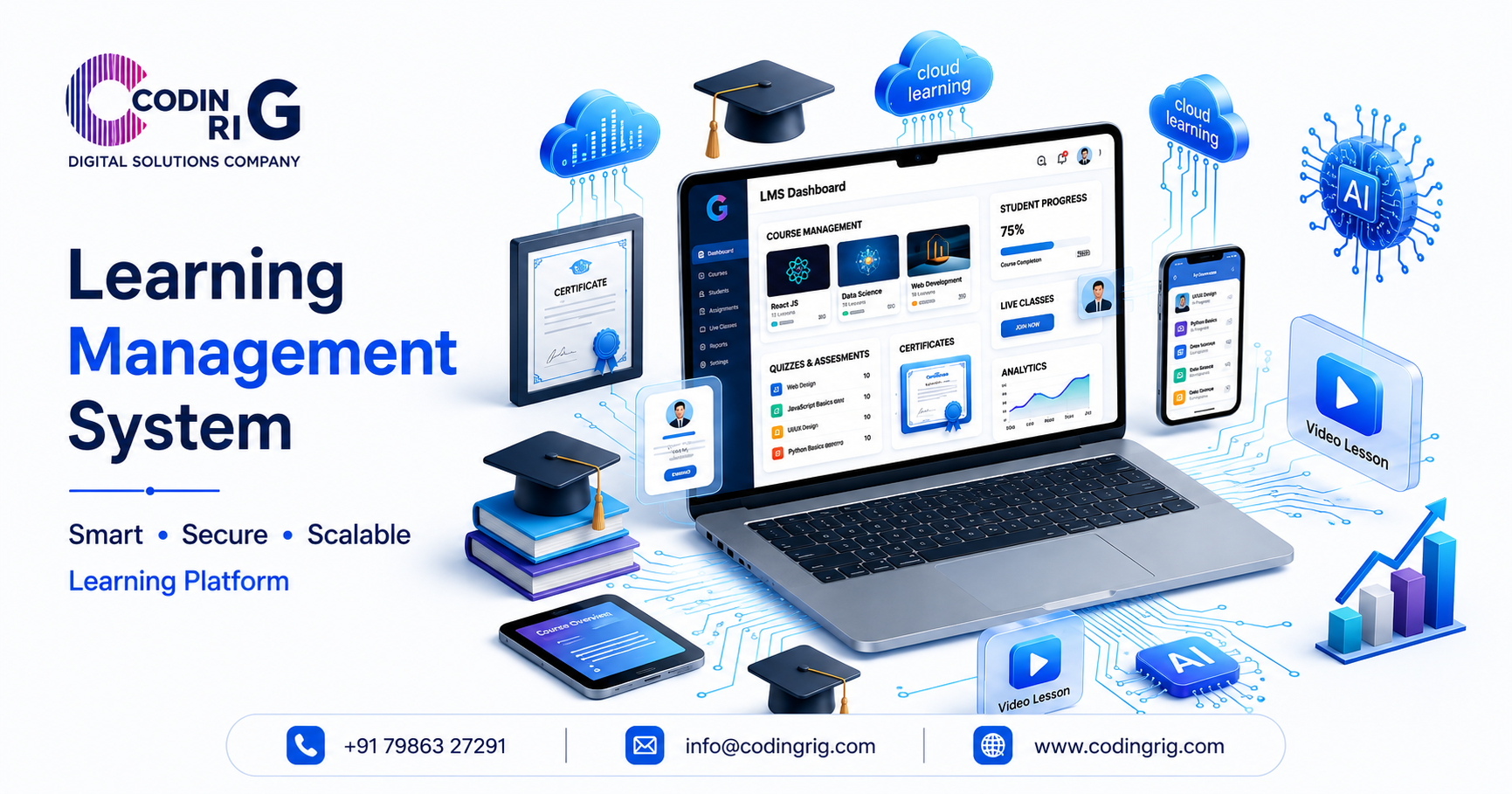
Course Management
Create and organize courses with videos, documents, presentations, quizzes, and downloadable resources. Content can be updated easily without disrupting learners.
User Management
Administrators can assign learners to specific courses, manage user roles, create learning groups, and control access permissions from a central dashboard.
Assessments and Quizzes
Interactive quizzes, assignments, and exams help measure learner understanding. Automated grading saves time while providing immediate feedback.
Progress Tracking
Real-time dashboards allow administrators and learners to monitor course completion, scores, certifications, and overall learning performance.
Certifications
Automatic certificate generation rewards learners after successful course completion and helps organizations maintain training records.
Mobile Learning
Modern LMS platforms are fully responsive, allowing users to learn anytime from smartphones, tablets, or desktop computers.
Benefits of an LMS
Implementing an LMS provides long-term advantages for both organizations and learners.
Some of the key benefits include:
-
Centralized learning platform
-
Reduced training costs
-
Flexible remote learning
-
Faster employee onboarding
-
Better knowledge retention
-
Improved learner engagement
-
Easy reporting and analytics
-
Scalable training for growing organizations
An LMS ensures that learning remains consistent regardless of location or team size.
Industries That Benefit from LMS Software
Learning Management Systems are valuable across multiple industries, including:
-
Schools and universities
-
Corporate organizations
-
Healthcare institutions
-
Manufacturing companies
-
Government departments
-
IT companies
-
Financial services
-
Professional training institutes
Any organization that provides education or employee training can benefit from a centralized learning platform.
LMS and Business Growth
An LMS is more than a training tool—it supports business growth by developing employee skills, improving productivity, and ensuring compliance with industry standards.
Companies with well-trained employees often deliver better customer service, reduce operational errors, and adapt more quickly to new technologies. As businesses grow, an LMS makes it easy to train larger teams without significantly increasing training costs.
Future Trends in Learning Management Systems
Technology continues to reshape digital learning. Modern LMS platforms now include advanced capabilities such as:
-
AI-powered personalized learning
-
Gamification and leaderboards
-
Interactive video lessons
-
Virtual classrooms
-
Learning analytics
-
Cloud-based deployment
-
Mobile-first learning
-
Integration with HR and ERP systems
These innovations create more engaging and effective learning experiences while simplifying administration.
Why Choose Coding Rig?
At Coding Rig, we develop custom Learning Management Systems designed around your organization's unique training goals. Whether you need an LMS for schools, universities, corporate training, certification programs, or online education, we build secure, scalable, and user-friendly platforms that support long-term growth.
Our LMS solutions include responsive design, role-based access, course management, assessments, reporting, certificates, payment integration, cloud deployment, and seamless integration with CRM, ERP, and other business systems. Every platform is optimized for performance, security, and an exceptional user experience.
Conclusion
A Learning Management System has become an essential tool for organizations that want to deliver high-quality education and training efficiently. By centralizing learning resources, tracking progress, and providing flexible access, an LMS improves learning outcomes while reducing administrative effort.
Whether you are educating students, training employees, or offering professional certification programs, investing in a modern LMS helps create smarter learning experiences and prepares your organization for the future of digital education.