Website Development Cost Guide for Businesses (2026)
Introduction
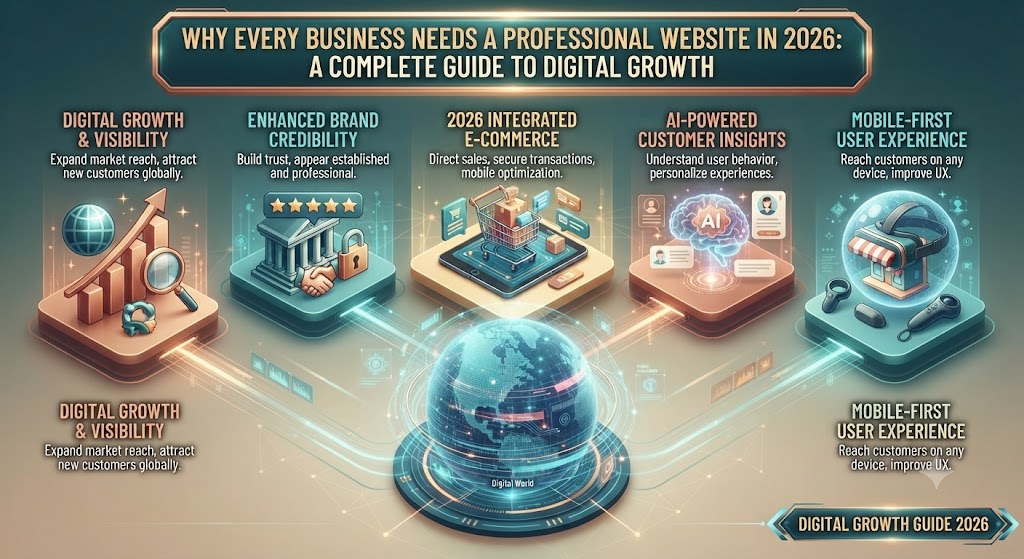
A professional website is one of the smartest investments a business can make. In 2026, customers expect every company to have a fast, secure, and mobile-friendly website that reflects its brand and makes it easy to find products, services, or contact information. Whether you're launching a startup, running a local business, or managing a large enterprise, your website plays a vital role in generating leads and building credibility.
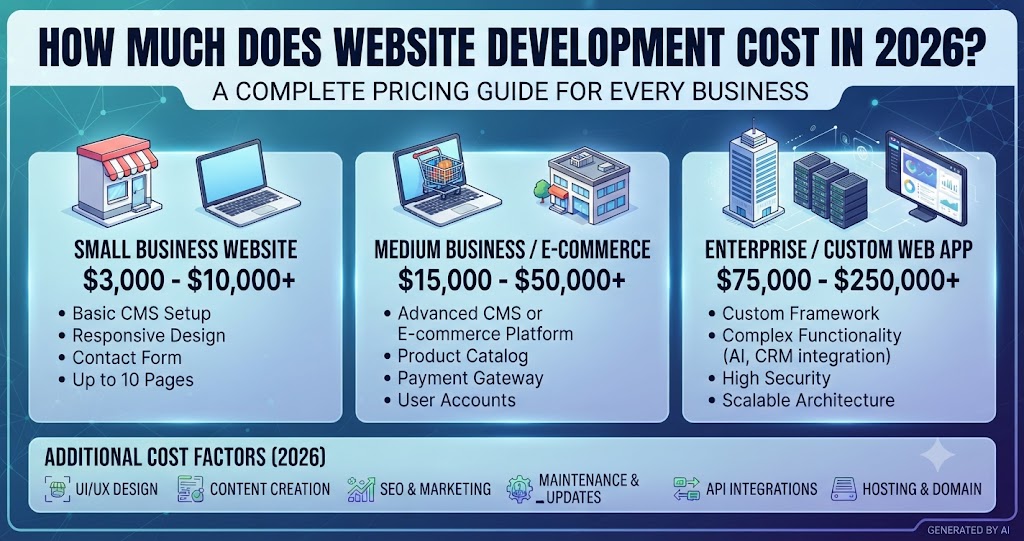
One of the most common questions business owners ask is, "How much does website development cost?" The answer depends on your business goals, website type, features, design, and future scalability.
This guide explains the key factors that affect website pricing and helps you plan your budget wisely.
Why Website Costs Are Different
Every website is unique. A simple business website costs much less than an eCommerce platform or a custom business application because each project requires different levels of design, development, and functionality.
Website pricing is mainly influenced by:
-
Number of pages
-
Custom UI/UX design
-
Mobile responsiveness
-
CMS integration
-
eCommerce features
-
API integrations
-
Security requirements
-
SEO optimization
-
Performance optimization
-
Ongoing maintenance
The more customized your website, the greater the development effort.
Types of Websites
Business Website
A business website typically includes a homepage, service pages, about page, contact form, and blog. It helps businesses establish credibility, generate leads, and improve online visibility.
eCommerce Website
Online stores require advanced features such as product catalogs, shopping carts, payment gateways, inventory management, customer accounts, and order tracking. These websites generally require more development time.
Portfolio Website
Professionals like designers, photographers, consultants, and agencies use portfolio websites to showcase projects, testimonials, and services while attracting new clients.
Corporate Website
Large organizations often need multilingual support, department pages, career portals, investor information, and enhanced security, making corporate websites more complex.
Custom Web Applications
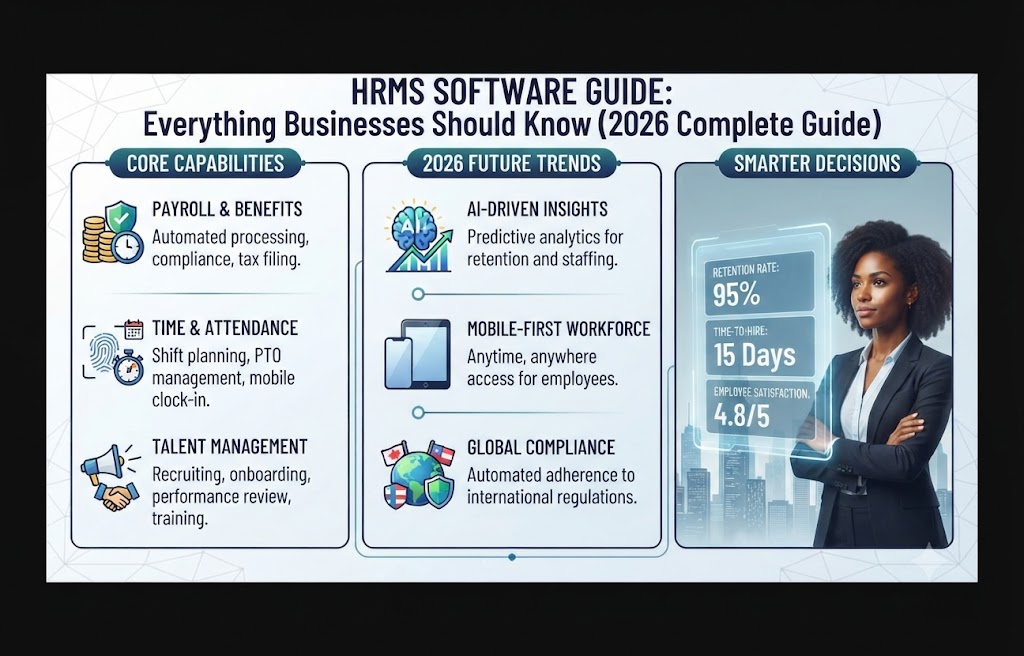
Businesses needing CRM systems, ERP portals, HRMS software, booking systems, inventory management, or customer dashboards require fully customized web applications designed around specific business processes.
Factors That Influence Website Development Costs
Custom Design
A unique design strengthens your brand identity and improves user experience. Although custom designs take more time than templates, they provide greater flexibility and professionalism.
Responsive Development
Your website should work perfectly on desktops, tablets, and smartphones. Responsive design ensures users have a consistent experience across all devices.
Content Management System (CMS)
A CMS allows businesses to update website content without technical knowledge. Selecting the right platform affects both development time and future maintenance.
SEO Optimization
An SEO-friendly website includes optimized URLs, metadata, schema markup, image optimization, and a well-structured website architecture that improves Google rankings.
Website Performance
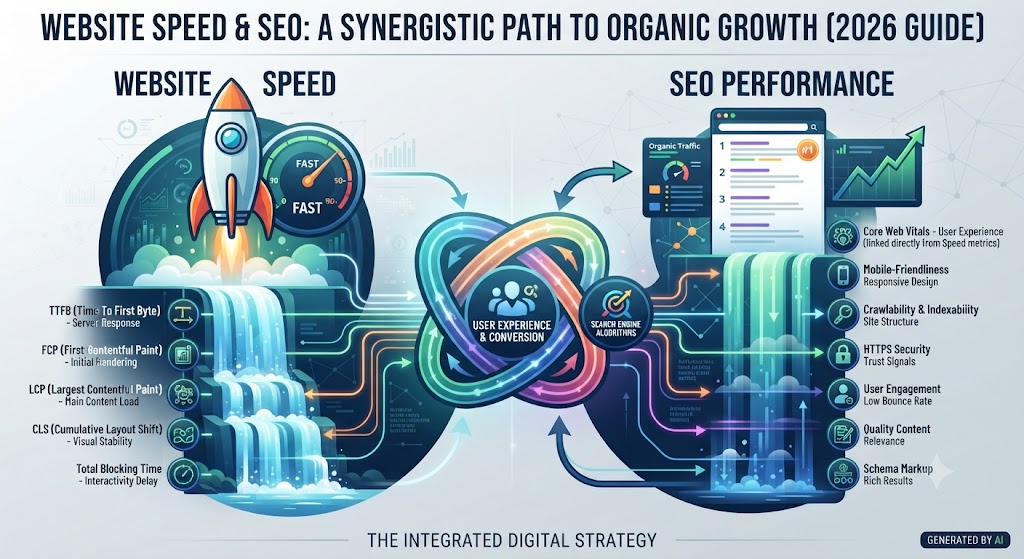
Fast-loading websites improve both user experience and SEO. Performance optimization includes image compression, caching, CDN integration, code optimization, and Core Web Vitals improvements.
Security
Modern websites require SSL certificates, secure login systems, regular updates, backups, malware protection, and data encryption to protect business and customer information.
Third-Party Integrations
Many businesses connect websites with CRM software, ERP systems, payment gateways, email marketing tools, WhatsApp, analytics platforms, and cloud services. These integrations improve automation but also increase development complexity.
Ongoing Website Expenses
Launching a website is only the beginning. Businesses should also plan for recurring costs such as:
-
Domain registration
-
Web hosting
-
SSL certificates
-
Website maintenance
-
Software updates
-
Security monitoring
-
SEO services
-
Content updates
-
Backup solutions
-
Technical support
Planning these expenses ensures your website remains secure, updated, and high-performing.
How to Choose the Right Website Development Company
Price should never be the only deciding factor. A professionally developed website provides better performance, stronger security, and long-term value.
When selecting a development company, consider:
-
Portfolio and previous work
-
Industry experience
-
Technical expertise
-
SEO knowledge
-
Mobile optimization
-
Security standards
-
Client reviews
-
Communication process
-
Post-launch support
-
Maintenance services
A reliable partner focuses on business growth, not just website delivery.
Website Development Trends in 2026
Modern websites continue evolving with new technologies. Some of the biggest trends include:
-
AI-powered chatbots
-
Progressive Web Apps (PWAs)
-
Voice search optimization
-
Headless CMS
-
Cloud hosting
-
Advanced cybersecurity
-
Interactive user experiences
-
Accessibility-first design
-
Personalized content
-
Core Web Vitals optimization
Businesses adopting these technologies gain a competitive advantage and deliver better customer experiences.
Why Investing in a Professional Website Matters
A high-quality website works for your business 24/7. It attracts visitors, builds trust, generates leads, supports marketing campaigns, and helps convert potential customers into loyal clients.
Instead of focusing only on the lowest development cost, businesses should consider the long-term value a professionally developed website brings through improved visibility, customer engagement, and higher conversions.
Why Choose Coding Rig?
At Coding Rig, we build secure, scalable, and SEO-friendly websites tailored to your business goals. Whether you need a corporate website, eCommerce platform, custom web application, healthcare portal, educational platform, or enterprise solution, our team delivers websites focused on performance, security, responsive design, and user experience.
From planning and UI/UX design to development, testing, deployment, SEO optimization, and ongoing maintenance, we provide complete website development solutions that help businesses grow online.
Conclusion
Website development costs in 2026 depend on your business requirements, design complexity, features, integrations, security, and future scalability. Every business has different needs, so there is no one-size-fits-all pricing model.
A professionally developed website is more than an expense—it's a long-term investment in your brand, customer experience, and business growth. By understanding the factors that influence pricing and choosing the right development partner, you can build a website that delivers measurable results for years to come.